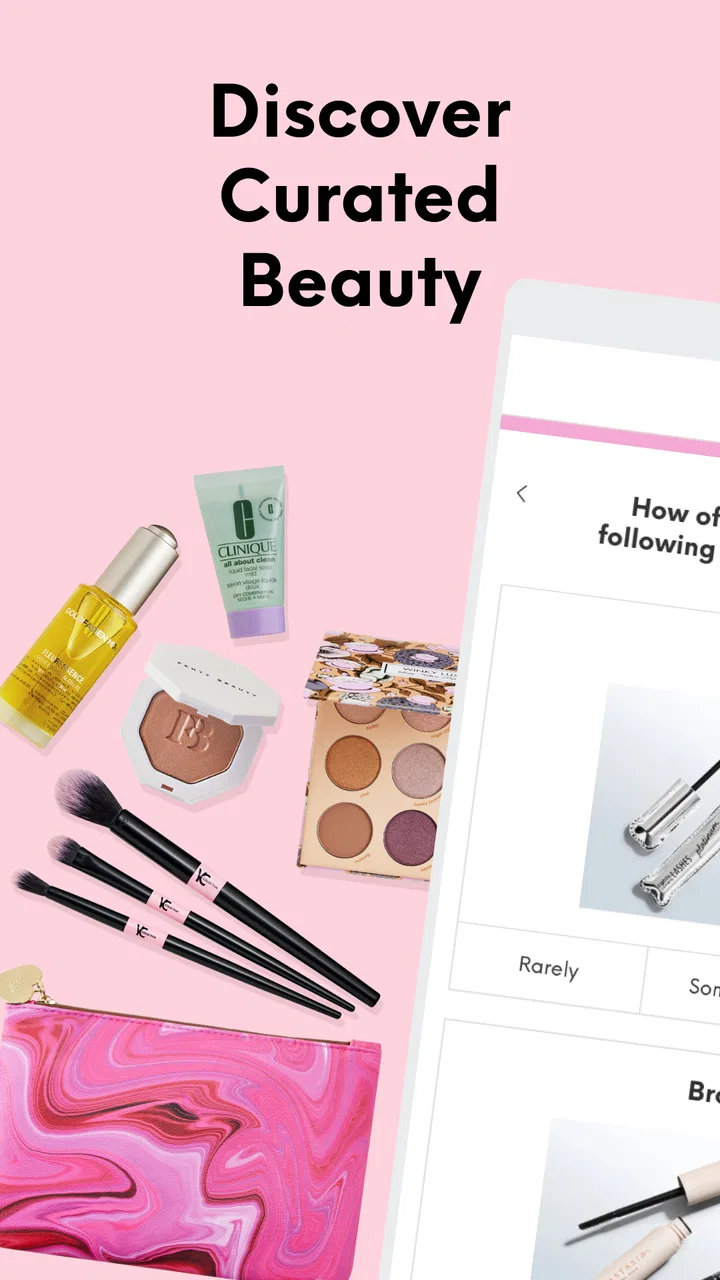
IPSY: Personalized Beauty
- 4.7
- Rating
- 1.00M
- Installs
- Free
- Price

 Analysis by App-foxy
I approached IPSY as a beauty app first, but its real appeal became clearer after spending time with it: it is designed to make beauty discovery feel more personal than walking through a crowded cosmetics aisle or scrolling through a huge online catalog. Developed by IPSY, the app sits in the beauty category and is free to use, with a focus on membership rather than acting as a simple product browser.
That distinction matters. I would not describe it as a neutral reference library or a replacement for a makeup consultation. It is better understood as a guided beauty-shopping experience for people who enjoy discovering products and want recommendations to feel connected to their preferences. The store summary calls it the ultimate beauty membership, but in everyday use I found the most important question was whether that membership style suits the way you already shop.
The app has built a substantial audience, with over a million installs and a 4.7 average from around 153 thousand ratings. Those figures suggest that the concept works for many beauty shoppers, although popularity alone does not guarantee that every recommendation or product experience will match your needs. My impression is that IPSY is most useful when you approach it with curiosity and a willingness to refine your choices over time.
You May Also Like

 Blood Strike: 2.5 Anniversary
Blood Strike’s Loadouts Turn Every Drop Into a Tactical Gamble
A close look at Blood Strike’s custom loadouts: how fast access to signature weapons reshapes its battle royale rhythm, rewards preparation, and narrows the gap between fights.

 Pandora - Music & Podcasts
Pandora’s Music Is Easy to Start, but Harder to Recover
Pandora’s strength is its low-effort path from a seed to a station. Its weak spot is how much confidence it asks you to place in connection, setup, and quiet recovery.

 8 Ball Pool
 Is Built on Rivalries, Rematches, and Routine
A close look at the rivalries, rematches, shared routines, and unanswered safety questions that turn a quick pool match into a persistent mobile community.

 Samsung Music
’s Quiet Strength Is Playing What You Already Own
Its reach comes less from spectacle than from dependable access to a personal library. That simplicity is both the app’s strongest retention engine and its ceiling.

 AccuWeather: Weather Radar
AccuWeather Review: A Quick, Clear Forecast for Everyday Decisions
For everyday plans, the best forecast is the one you can understand quickly. AccuWeather makes rain timing, radar, and local conditions easy to act on, with a few trade-offs.

 Hill Climb Racing
Why Hill Climb Racing Still Turns Crashes Into One More Run
A tiny car, a bumpy hill and one more upgrade: Hill Climb Racing keeps resurfacing because its simple chaos makes every near-miss feel personal.
More From Our News Desk
View All News


How IPSY feels to use in everyday situations
I find that IPSY is most useful when I treat its personalized suggestions as a way to narrow the field, not as a final answer about what belongs in my routine. In everyday use, that small distinction helps me browse with curiosity while keeping practical needs—like shade, skin sensitivity, and how often I use a product—at the center. Next, I’ll look at how that approach can fit into an ordinary shopping decision.
Readability and navigation are strongest when you browse with a clear purpose
The first thing I look for in a beauty app is whether I can understand what I am seeing without feeling pushed through a maze of promotions. IPSY’s membership-centered approach gives the experience a more editorial feel than a standard retailer. Instead of opening to an endless wall of unrelated products, you are encouraged to think about your preferences, the kinds of beauty items you want to discover, and how those choices fit into your routine.
That can be helpful for someone who feels overwhelmed by cosmetics shopping. If you already know that you want to explore skincare, makeup, or beauty accessories, a personalized environment feels less tiring than comparing hundreds of nearly identical listings. I found the experience easier to appreciate when I treated it as a discovery tool rather than a fast checkout shortcut.
Readability also depends on the amount of visual information on screen. Beauty apps naturally contain product images, color names, promotional language, and changing recommendations. For a user with low vision, visual fatigue, or difficulty separating decorative content from important details, that density can become a problem even when the basic text is understandable. I recommend increasing the phone’s system text size before settling into regular use, then checking whether product information still fits comfortably on screen.
A useful personal workflow is to browse when you have time, save the items that genuinely interest you, and return later with a shorter list. That prevents the common mistake of making a decision simply because a product appeared attractive in the moment. It also makes the app more manageable for anyone who processes information slowly or prefers to compare options in stages.
Navigation is likely to feel most natural to people who are comfortable with shopping apps and membership flows. New users may need a little patience to understand the difference between exploring recommendations and making a purchase decision. I would not call this a serious flaw, but it means IPSY is less suitable for somebody who wants a plain catalog with an obvious category menu and minimal personalization.
Personalization can reduce choice overload, but it should not replace judgment
The central promise is personalization, and that is where the app separates itself from a conventional beauty retailer. Instead of expecting you to know exactly which brands or formulas to search for, IPSY tries to make discovery feel more relevant to your tastes. I like that approach for beginners, people rebuilding a routine, and shoppers who enjoy trying something outside their usual habits.
There is a trade-off, though. A recommendation is only as useful as the preferences behind it and the attention you give to the product details. If your skin is reactive, your shade matching is difficult, or you avoid particular ingredients, I would still verify every item independently rather than assuming a personalized suggestion is automatically suitable. Personalization can narrow the field, but it cannot replace your own knowledge of allergies, sensitivities, or professional advice.
One of the more practical ways to use the app is to treat recommendations as a starting shortlist. I would separate products into three groups: items I would use immediately, items I want to research, and items that clearly do not fit my routine. This simple habit keeps the personalized feed from becoming a source of impulse decisions and is especially useful for people who find too many choices mentally exhausting.
Motor and sensory considerations deserve attention before regular use
For users with limited dexterity, the important question is not only whether the app can be opened and browsed, but how much precise interaction it demands. Beauty shopping often involves tapping small product cards, moving through image-heavy areas, selecting preferences, and reviewing several pieces of information before deciding. Someone using a switch device, voice control, one hand, or a less precise touch technique may find these interactions more demanding than a simple text-based shopping page.
I would test the app during a calm session rather than judging it while rushing. Try scrolling with your usual hand, changing the phone’s text size, and using the operating system’s accessibility tools that you already rely on. If labels become truncated or controls feel too close together, the problem may be less about your ability and more about how much visual and motor precision the interface expects.
Sensory needs vary widely. Some people enjoy the bright imagery and product-focused presentation, while others may find a stream of colors, photographs, and promotional elements tiring. I found that shorter sessions work better than attempting to explore everything at once. A quiet, deliberate browsing routine also helps users who are sensitive to visual clutter or who become fatigued by rapid content changes.
For blind or low-vision users, the most important practical test is whether the phone’s screen reader can identify the controls and communicate product information in a useful order. I cannot responsibly treat a general beauty app as accessible simply because it runs on a modern phone. Before relying on it for purchases, I would ask someone who uses the same assistive technology to test the complete path from browsing to reviewing an item and completing the membership or shopping steps.
People with color-vision differences may also need extra care. Beauty decisions frequently depend on shade names, swatches, and photographs, and those visual cues can be unreliable on their own. I would use written shade descriptions, compare products with information from another source, and avoid treating an image as a guarantee of how a color will look in person. That is good beauty-shopping practice for everyone, but it becomes particularly important when color is difficult to distinguish.
Situational access: when the app helps and when it becomes inconvenient
IPSY makes the most sense in situations where you want guided discovery without committing to a long visit in a store. Imagine having a short break after work and wanting to explore a different skincare or makeup option without asking a sales associate to explain every product. You can browse from home, pause when your attention drops, and return when you are ready to compare your choices. That pause-and-return rhythm is one of the strongest advantages of an app-based beauty membership.
It can also help people who feel uncomfortable shopping in busy retail environments. A private browsing session gives you more control over pace and reduces the pressure to make a decision while someone is waiting nearby. For users with anxiety, chronic pain, fatigue, or limited transportation, that flexibility may be more valuable than the recommendations themselves.
On the other hand, the app is not a perfect answer for every context. If you need a product immediately, a local store may be more practical. If you need to feel a texture, inspect packaging closely, or test a shade in person, a digital recommendation cannot provide that experience. Someone who already has a precise shopping list may also find a traditional retailer more efficient because search and stock information are the main priorities.
People who share a phone or shop with an inconsistent internet connection should plan their browsing around a stable session. I would avoid beginning a detailed product comparison while traveling or when attention is divided, because beauty choices often require reading more carefully than the attractive images suggest. The app is better for intentional browsing than for a rushed decision made between other tasks.
Membership is the key choice, not an incidental feature
The word membership changes the way I evaluate IPSY. This is not simply a free beauty encyclopedia. The app is free to install, but the experience is built around a membership relationship, so users should understand what they are signing up for before treating it as a casual browsing tool. I would read each membership screen carefully, look at the available choices, and make sure the selected options match how often I actually want beauty products.
This is also where the app may not suit minimalists. If you prefer buying one carefully chosen item only when you run out, a membership-oriented experience can feel like more involvement than necessary. It is more appealing to someone who enjoys sampling, discovering brands, and keeping beauty shopping connected to personal preferences. The right choice depends less on how much you like makeup and more on whether you enjoy an ongoing discovery cycle.
For users with cognitive disabilities or anyone who finds recurring choices stressful, I suggest slowing down at every confirmation screen. Read the wording aloud if needed, use a notes app to record what you selected, and avoid tapping through simply to reach the next page. This is not glamorous advice, but it can prevent confusion and gives you a clearer record of your decisions.
Another useful habit is to establish a personal “pause rule”: if a recommendation is not clearly appropriate for your routine, do not decide immediately. Put it aside, check the ingredients or shade information elsewhere, and return only if it still makes sense. That approach protects users who are vulnerable to visual persuasion while preserving the fun part of personalized discovery.
Remaining barriers are mostly about clarity, comparison, and individual needs
The largest limitation I noticed is that personalization can make an app feel friendly while still leaving important decisions to the user. A recommendation may seem tailored, but beauty compatibility is complicated. Skin type changes, shades vary across screens, and a product that works well for one person may be unsuitable for another. IPSY can make discovery easier, but it cannot remove the need for careful reading.
Comparison is another area where a specialist retailer may be stronger. If your priority is comparing prices, sizes, ingredients, delivery choices, or stock across many sellers, a general shopping platform may give you a clearer overview. IPSY’s strength is the curated journey, not necessarily the most exhaustive side-by-side research environment.
I also would not choose it as my only resource for medical or highly sensitive skincare concerns. Anyone managing a diagnosed condition, severe reactions, or strict ingredient restrictions should use professional guidance and verify products independently. The app can be enjoyable for exploration, but it should remain secondary to advice that is specific to your health.
Device support is reasonably approachable for older phones because the current version is 4.1.0 and the minimum operating system is Android 8.0. That makes it accessible to people who have not upgraded recently, although an older device can still affect speed, screen readability, or how comfortable image-heavy browsing feels. On iOS or Android, I would judge the experience using the accessibility settings already important to me rather than assuming the same result for every user.
The app is rated for Everyone, which makes it broadly approachable from an age-rating perspective. That does not mean every beauty product or membership decision is equally appropriate for every person, so younger users may still benefit from a parent or guardian helping them understand purchases and recurring commitments.
Who will get the most from IPSY
I think IPSY is a strong match for beauty beginners who want direction without having to learn every brand and product category first. It also suits experienced shoppers who enjoy trying new things and are willing to filter recommendations through their own knowledge. People who like the surprise and exploration of a beauty membership will probably find more value here than people who view cosmetics shopping as a quick errand.
It is especially useful for someone building a routine gradually. Rather than replacing everything at once, you can use the app to identify one area to explore, such as a new makeup category or a different type of skincare product, then decide whether it deserves a place in your routine. That slower approach reduces waste and makes it easier to notice which products genuinely help.
I would skip it if you want a completely neutral database, instant local availability, or highly technical ingredient comparison as the main experience. I would also be cautious if you are trying to avoid all recurring shopping prompts, have very strict product requirements, or dislike receiving recommendations based on preference profiles. In those cases, a conventional retailer, a specialist ingredient reference, or an in-person consultation may be a better fit.
My inclusive verdict after using the app
IPSY succeeds because it makes beauty discovery feel less intimidating than starting from a blank search box. Its personalized membership format can save time, reduce choice overload, and give curious shoppers a reason to explore products they might otherwise overlook. The free app is easy to consider, and the large user base and 4.7 average show that the approach resonates with many people.
My recommendation comes with an important condition: use it as a guided companion, not as an unquestionable authority. Check details that matter to your skin, vision, budget, and personal routine. Give yourself time to read, use your phone’s accessibility settings, and remember that a product image or personalized suggestion cannot reproduce the certainty of testing something in person.
From an inclusion perspective, the app is most promising for users who benefit from shopping at their own pace and avoiding busy retail spaces. It is less dependable for anyone who needs guaranteed compatibility with assistive technology, highly structured information, or a purely practical purchasing workflow. Those users should test the full experience before making it part of a regular routine.
Overall, I would recommend IPSY to a friend who enjoys beauty experimentation and wants a more personal route into product discovery. I would not recommend it blindly to someone with strict accessibility, medical, or purchasing requirements. The best experience comes from combining its personalized suggestions with your own careful checks, which leaves room for both the fun of discovery and the responsibility of choosing products that truly fit your life.
FAQs for IPSY: Personalized Beauty
01What is IPSY and how does it work?
IPSY is a personalized beauty subscription service that delivers a curated collection of makeup, skincare, and beauty products to your doorstep each month. Upon signing up, you complete a beauty quiz that helps IPSY tailor the selections to your preferences and needs. Each Glam Bag includes deluxe samples and full-sized products from a variety of well-known and emerging brands.
02How much does the IPSY subscription cost?
IPSY offers several subscription options to suit different preferences and budgets. The basic Glam Bag costs $13 per month and includes five beauty products. For more products and full-size items, you can opt for the Glam Bag Plus at $28 per month, or the Glam Bag X, which provides premium products every three months for $58. Shipping is generally free, but taxes may apply based on your location.
03Can I customize the products I receive in my IPSY bag?
While IPSY personalizes your Glam Bag based on your beauty profile, they offer limited customization options. Each month, you can choose one product for your upcoming bag from a selection provided by IPSY. Your other items are curated based on your preferences and past reviews. This allows for a balance between surprise and personal preference.
04Is it easy to cancel or modify my IPSY subscription?
Yes, IPSY makes it straightforward to cancel or modify your subscription. You can pause or cancel your membership directly through your account on the IPSY website. Changes must be made by a specific deadline each month to avoid being charged for the upcoming shipment. If you need assistance, IPSY’s customer support is available to help with any issues.
05What types of beauty brands can I expect in my IPSY bag?
IPSY partners with a diverse range of beauty brands, from well-known names to up-and-coming indie labels. Subscribers can expect to receive products from brands like Tarte, Benefit, Huda Beauty, and more. The variety ensures that there’s always something new to discover, catering to different tastes and beauty needs, from skincare to makeup essentials.
Pros
- Customizes beauty products to your preferences.
- Includes high-quality
- renowned brands.
- Affordable monthly subscription options.
- Exclusive member deals and discounts.
- Easy-to-use interface enhances user experience.
Cons
- Limited product sizes in subscription packages.
- Occasional delays in shipping.
- Customization options can be overwhelming.
- Not all products may suit sensitive skin.
- App notifications can be excessive.

IPSY: Personalized Beauty
Gallery